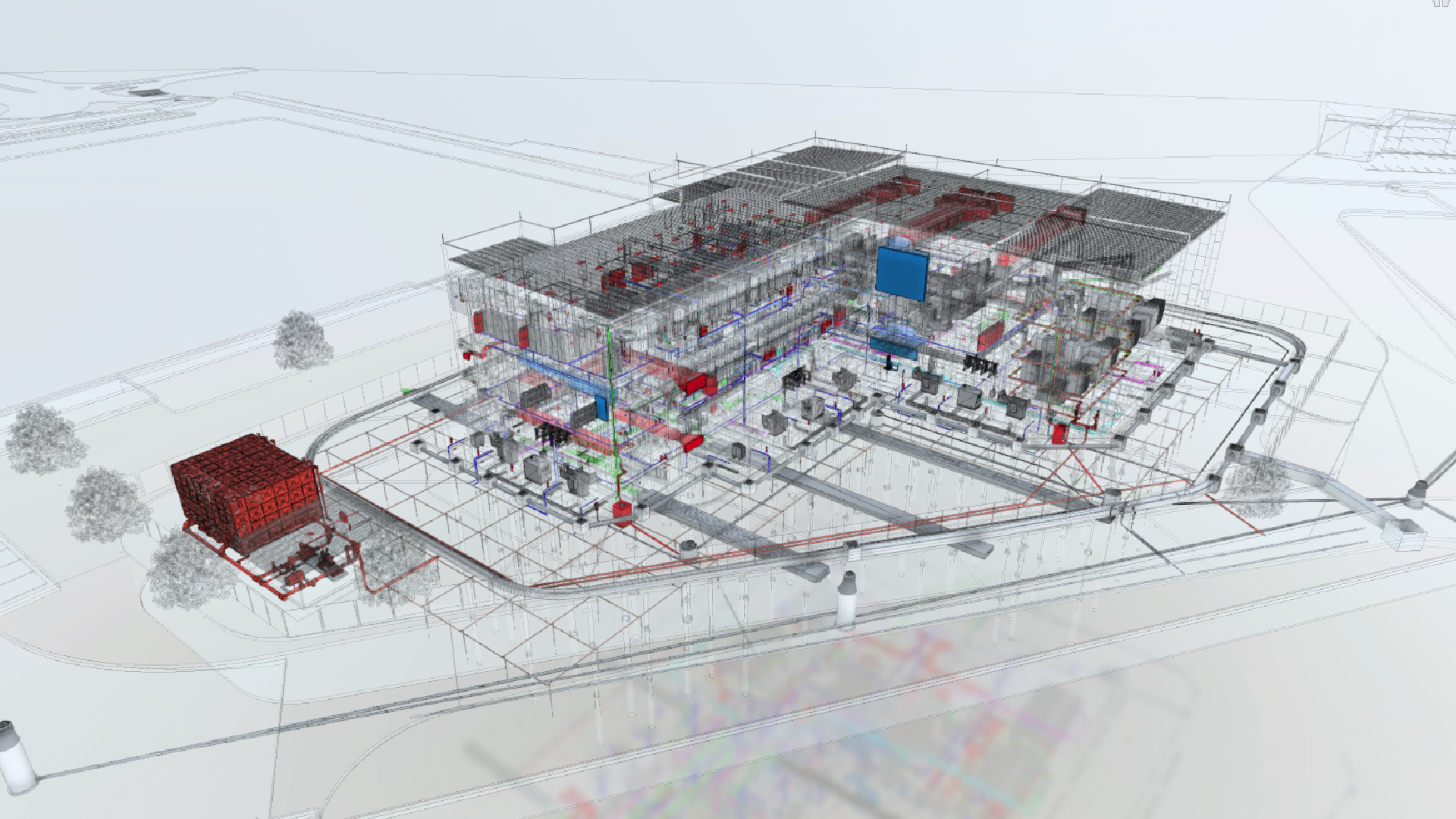
Digital twins have become one of the built environment’s most discussed digital concepts. They are often presented as a route to smarter buildings, better operational visibility and more informed asset decisions.
The potential is real, but the term has also created confusion. A digital twin may refer to anything from a three-dimensional model with linked documents to an operational environment connected to live building systems. When the definition is unclear, owners can struggle to understand what they are buying, what information is required and how the investment will improve the way a building is managed.
The more useful question is not, “Do we need a digital twin?” It is, “What decisions do we need better information to support?”
The Definition Should Follow the Purpose
There is no value in creating a technically impressive representation of a building if it does not help anyone operate, maintain or improve the asset.
Before selecting a platform or defining a complex technical solution, a project team should identify its intended operational outcomes. These may include:
- finding asset information without searching through disconnected folders;
- understanding where equipment is located and what it serves;
- planning preventive maintenance;
- accessing relevant operation and maintenance documents;
- supporting inspections and compliance activities;
- monitoring energy or system performance;
- evaluating recurring faults and maintenance priorities; or
- giving different users access to the information relevant to their responsibilities.
These use cases provide a practical basis for deciding what the digital environment must contain. They also help prevent unnecessary complexity. Not every asset needs continuous sensor data, detailed simulation or an advanced three-dimensional interface. For many owners, the immediate priority is a dependable and accessible source of asset information.
Without a clear understanding of the value, adoption inevitably slowed.
Start with Information, Not Technology
A digital twin is only as dependable as the information behind it. A polished dashboard cannot compensate for incomplete asset registers, inconsistent naming, missing documents or models that do not reflect the delivered building.
The information foundation should therefore be considered during project planning and delivery, rather than assembled only after construction is complete. The owner and project team need to establish:
- which assets and spaces must be recorded;
- which properties are required for each asset type;
- how items, systems, locations and documents will be named;
- who is responsible for producing and verifying each information set;
- when information will be reviewed and accepted; and
- how approved information will move into operational systems.
Defining these requirements early allows designers, contractors, specialists and suppliers to contribute information in a coordinated way. It also reduces the risk of receiving a large handover dataset that is technically complete but difficult to use.
Connecting BIM Delivery with Building Operations
Building information modelling can provide the spatial and technical foundation for a digital twin, but a design or construction model is not automatically ready for operational use.
During delivery, models are created for specific purposes such as design coordination, constructability review, quantity production and documentation. Operational teams may require a different level of detail and a different set of information. They need verified asset identities, locations, classifications, maintainable properties, warranties, manuals and relationships between equipment and building systems.
The transition from project information to operational information must therefore be planned. This includes checking what should be retained, removing unnecessary delivery data, validating asset records and linking approved documents to the relevant equipment or spaces.
When this process is managed properly, the owner receives more than a collection of files. The result is an organised information environment that can support actual building-management activities.
Make Information Relevant to Each User
Different people interact with a building for different reasons. A facility manager, maintenance technician, sustainability team and senior asset owner will not need the same view of the same information.
A practical digital-twin environment should help each user reach the information required for their task without navigating unnecessary technical detail. For example:
- a technician may need equipment location, service history and the latest maintenance manual;
- a facility manager may need upcoming maintenance, open issues and compliance records;
- an energy manager may need consumption trends and operating conditions; and
- an asset owner may need portfolio-level indicators, risk visibility and long-term replacement priorities.
Role-based access and clear information presentation are often more valuable than adding another layer of technology. The objective is to reduce the time between identifying a question and reaching a dependable answer.
Build in Stages
Digital-twin adoption does not need to begin with a complete, live representation of every building system. A staged approach allows the organisation to prove value while improving its information-management capability.
A practical progression may include:
- Define the operational questions and priority use cases.
- Establish asset-information requirements and naming rules.
- Organise verified models, asset data and handover documents.
- Provide a searchable, role-appropriate information interface.
- Connect selected operational systems or sensors where live data supports a genuine decision.
- Review performance and expand the environment based on demonstrated value.
This sequence keeps the project focused on outcomes. It also gives owners the flexibility to strengthen the information foundation before investing in more advanced integrations.
A Foundation for Better Building Performance
Once reliable asset information is connected with operational records, building teams can develop a clearer understanding of how an asset performs over time. Maintenance patterns, recurring faults, system behaviour and energy use can be assessed with better context.
This can support more informed maintenance planning, performance optimisation, sustainability initiatives and lifecycle investment decisions. The value does not come from the digital twin label itself. It comes from making coordinated building information available when people need to act.
The Practical Future of Digital Twins
The next stage of digital-twin adoption will be shaped less by ambitious terminology and more by useful implementation. Owners will expect digital environments to solve identifiable problems, integrate with working processes and provide information that can be trusted.
For project teams, this means treating operational information as a planned deliverable from the beginning. For owners, it means defining the decisions, responsibilities and outcomes before choosing the technology.
A digital twin should not be an isolated model or a dashboard created for demonstration. It should be a practical extension of good information management: connecting the delivered asset with the people responsible for operating, maintaining and improving it.