Service

Information Management

Govern project information from requirement to handover.

Connect with us

Avant Aegis helps appointing parties establish and operate a controlled information-management process across design, construction and handover. We define requirements, review delivery plans, support the Common Data Environment (CDE), monitor information exchanges and validate submitted information against agreed acceptance criteria.

Discover more about Avant Aegis ->

One governance function across every appointed party.

Avant Aegis provides an information-governance layer across consultants, contractors and suppliers. The scope is configured around the project appointment and can support ISO 19650-aligned processes where required.

Information Requirements

Key Processes
Key Processes
Key Processes
Key Processes

Consistent information does not happen by itself.

When every appointed party follows a different naming convention, delivery method or information standard, project teams lose time checking, correcting and locating information. Gaps that remain unresolved during delivery often become handover problems. Clear requirements, defined approval gates and a visible audit trail keep information aligned throughout the project.

How we help

Information Delivered to a Defined Purpose

We connect each information requirement to a project decision, deliverable or operational need. This gives appointed parties a clear basis for producing information and allows submissions to be assessed against defined acceptance criteria.

Information Planning

We help establish the requirements, responsibilities, methods and delivery milestones that shape the information-management process. The resulting framework supports consistent planning from appointment through handover.

Information Management Function

Where required, we can undertake defined information-management activities on behalf of the appointing party. The scope may include requirements development, BEP review, CDE administration, exchange monitoring, compliance reporting and handover assurance.

Project-Specific Standards

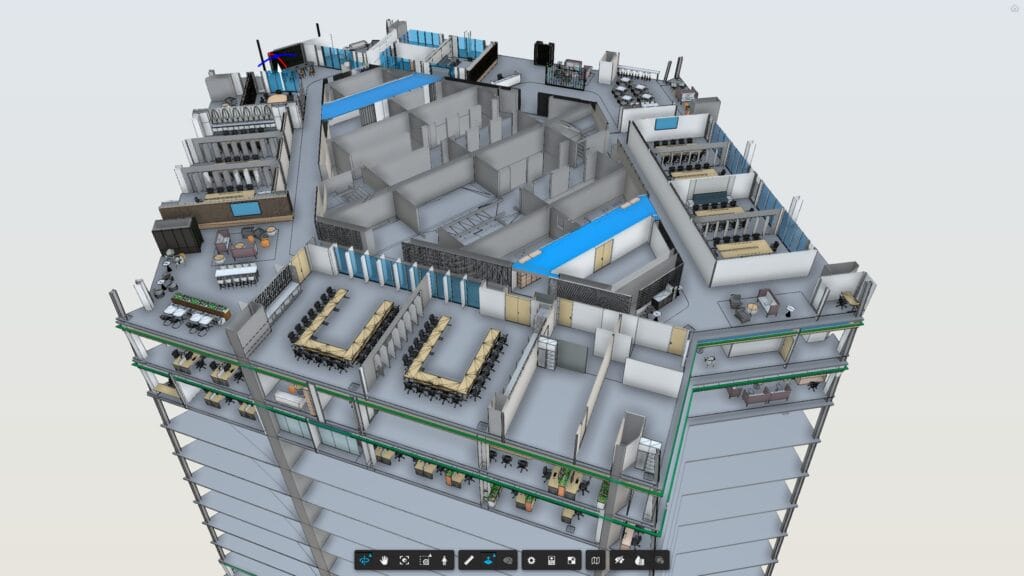
We translate applicable standards and client requirements into practical project procedures. Naming conventions, metadata, model structure, document controls and approval workflows are configured to suit the appointment rather than applied as a generic template.

Compliance and Risk Visibility

We identify missing, late or non-conforming information at agreed review points. Issues are recorded and tracked so that the project team can see their status, understand their downstream impact and assign corrective action.

Data Validation and Exchange

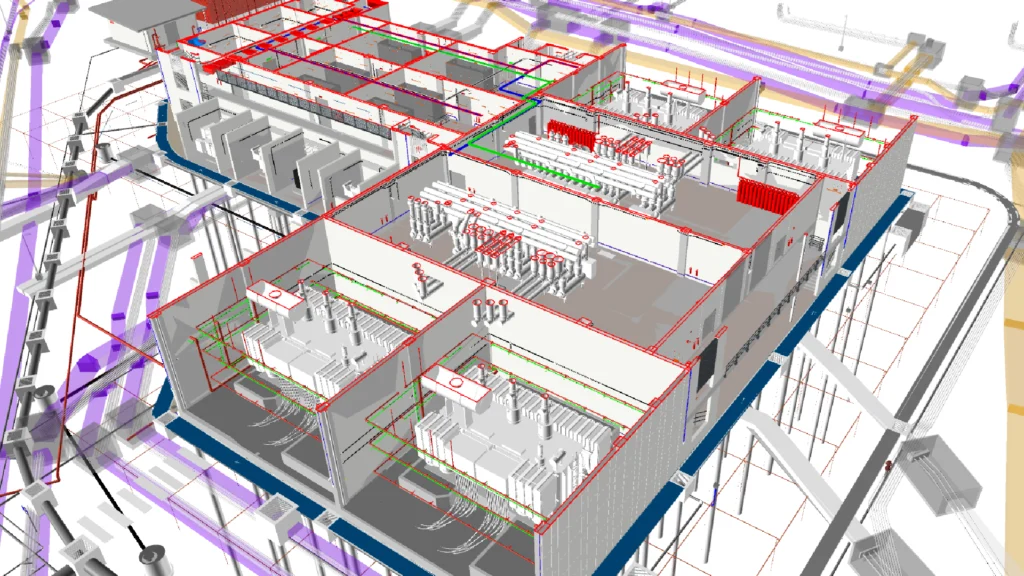
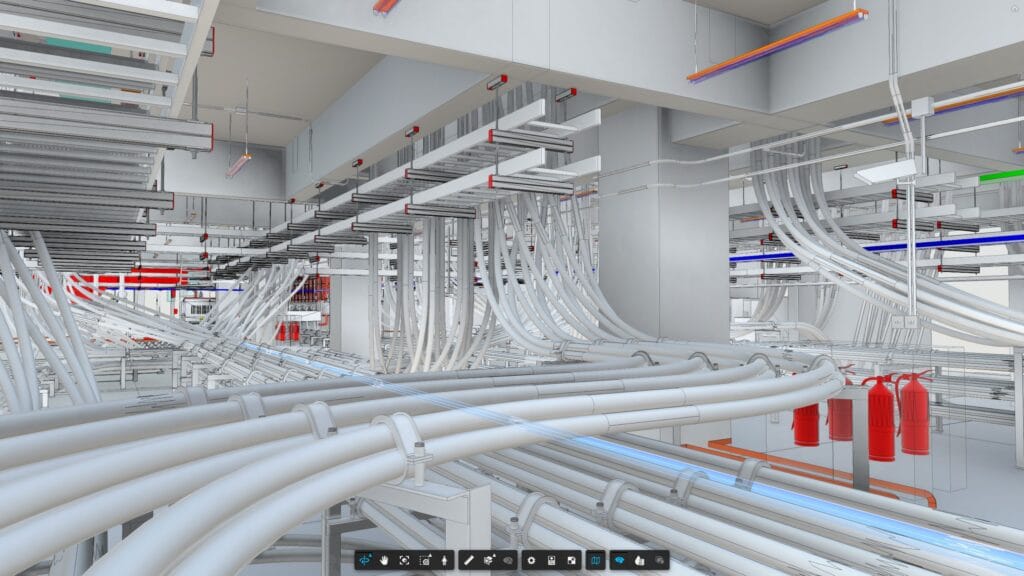
We check model, document and asset information using the project’s agreed rules and exchange formats. Parameter mapping, classification, IFC, COBie and other structured exchanges are reviewed where they form part of the project requirements.


Common question about Information Management

Do you act as the project’s information manager?

We can undertake defined information-management activities on behalf of the appointing party, subject to the project appointment. Responsibilities may include developing information requirements, reviewing BEPs, administering the CDE, monitoring exchanges and maintaining the audit trail. The appointment should clearly define decision-making authority and the responsibilities retained by each project party.

Yes. We can configure the folder structure, permissions, information states, approval workflows, metadata and naming conventions within the selected CDE platform. Ongoing administration and compliance monitoring can also be included where the project requires more than an initial setup.

Yes. We can review the current information-management setup against the applicable project requirements and relevant ISO 19650 principles. The review identifies gaps in documentation, responsibilities, CDE workflows and information exchanges, then records recommended corrective actions. It does not constitute third-party certification.

It can be valuable on projects involving several disciplines, organisations or information exchanges. Defined requirements and a governed CDE reduce ambiguity and create a consistent basis for review. For smaller or less complex appointments, the level of governance should be proportionate to the delivery risk and information need.

Pricing is based on the defined scope, number of appointed parties, programme duration, CDE requirements, review frequency, reporting obligations and handover deliverables. Reviewing the existing project requirements and delivery arrangements allows the responsibilities and fee basis to be established.

Projects we delivered

View all projects ->

Book a 30 minute discovery call with our team

Get fast estimation based on given project information. Let us walk you through a live ERP dashboard from an active project, whether or not we work together.